
Susan's Story
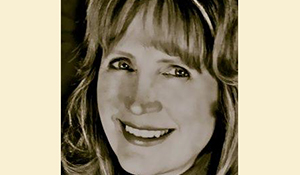
Name: Susan
State: Colorado
Date of Diagnosis: January, 2004
Age at Diagnosis: 45
Stage of Diagnosis: 2B
Time from "normal" mammogram to diagnosis: Less than a year
How was cancer detected: Husband
I had regular mammograms for several years prior to my diagnosis. I received a happy little card in the mail saying all was well. I talked to my gynecologist because both my husband and I felt lumps in my breasts. Her response was, No problem - the mammogram was “fine” so it must be cysts. I had a sizeable lump that my husband found concerning. After his encouragement, I discussed my lumps with my doctor yet again. “If it makes you feel better" we could check it out. Within seconds, the ultrasound tech ‘saw” a suspicious lesion (which was cancer) & immediately alerted the radiologist.
So began a long nightmare of biopsy, bilateral mastectomy, and reconstructive surgery and so much more as the cancer has spread to my lymph nodes. I endured 8 rounds of chemotherapy, a port infection that resulted in massive blood clotting in my arm and neck and a week-long stay in the hospital. The highly toxic chemotherapy did permanent damage to my body and brain. My oncologist said that my liver "shut down".
After a month of chemotherapy, I asked for my mammogram reports & there it was: "Extremely Dense Breasts; could obscure a lesion". None of my docs, including my gynecologist, ever shared this with me.
After chemotherapy, I told all my doctors that I would have no more drugs, though there was pressure to do more. I went to a degreed naturopath who helped me recover my health as much as possible. I deeply regret acquiescing to do the chemotherapy, which has greatly impacted my quality of life and impaired my immune system and brain. I would encourage those with dense breast tissue to research your other options for detection, and always get copies of every report--even if the office staff resist. Think for yourself, I wish I had. Doctors are consultants; remember it's your body.
Back to Stories